A Social Platform in the Age of AI: แพลตฟอร์มโซเชียลในยุคของ AI
กรุงเทพฯ ประเทศไทย – ขณะนี้ทั่วโลกกำลังเผชิญสองวิกฤต วิกฤตแรกคือ AI กำลังเข้ามาแทนที่แรงงานมนุษย์อย่างรวดเร็วจนหลายคนตั้งรับไม่ทัน วิกฤตที่สองคือผู้คนเกิดความรู้สึกโดดเดี่ยวในระดับที่ไม่เคยเกิดขึ้นมาก่อน Beens แพลตฟอร์มโซเชียลที่อิง “การมีตัวตนในโลกจริง” ซึ่งเพิ่งเปิดตัวไปเมื่อเร็วๆ นี้ ตั้งอยู่บนสมมติฐานว่า ทั้งสองวิกฤตนี้เชื่อมโยงกันในแง่ที่ว่าความสัมพันธ์ระหว่างบุคคลเริ่มกลายเป็นสิ่งที่หาได้ยาก คุณค่าทางเศรษฐกิจของมันจึงยิ่งเพิ่มสูงขึ้น
Time Read:
8min
Date:
Category:

Richard Armstrong
Contributing Writer, WWD
Translator: SURIYA NA RCA (English version below)
ทศวรรษของการทำงานโดยไม่มีหลักประกัน
องค์กรแรงงานระหว่างประเทศหรือ International Labour Organization ประเมินว่าทั่วโลกมีคนตกงานราว 200 ล้านคน กลุ่มคนหนุ่มสาวและผู้ทำงานต่ำกว่าวุฒิได้รับผลกระทบมากที่สุด เกือบ 40% ของงานทั่วโลกมีความเสี่ยงว่าจะถูก AI ดิสรัปต์ กล่าวคือ 60% ของงานในเศรษฐกิจระดับก้าวหน้าจะมีเครื่องมืออัตโนมัติมาเปลี่ยนแปลง หรือไม่ก็ถูกแทนที่โดยสิ้นเชิง

ความกดดันนี้แตกต่างไปในแต่ละพื้นที่ อัตราการว่างงานของคนหนุ่มสาวในประเทศจีนยังสูงแม้สถิติจะเปลี่ยนแปลง การวิจัยประเภทเจาะกลุ่มอายุรายงานว่า คนในกลุ่มอายุวัยรุ่นตอนกลางและเด็กกว่านั้นมีภาวะว่างงานชั่วคราวสูงเกิน 20% ส่วนในสหรัฐอเมริกา นักวิเคราะห์คาดการณ์ว่าในช่วงห้าปีที่จะถึงนี้ หนึ่งในสองของงานประเภทออฟฟิศจะได้รับผลกระทบจาก AI แม้ข่าวยังพาดหัวว่า “ขนาดบัณฑิตหัวกะทิจากฮาร์วาร์ดก็ยังตกงาน” ส่วนอัตราการว่างงานของประเทศไทยอย่างเป็นทางการยังคงอยู่ที่ 1-2% แต่ความเป็นจริง การว่างงานนั้นเกิดขึ้นทั่วประเทศ งานซึ่งเกี่ยวข้องกับการท่องเที่ยวก็มีความเสี่ยงว่าจะหายไปชั่วข้ามคืนเช่นกัน
ในตลาดดังกล่าว แรงงานต้องหันไปทำงานระยะสั้นหรืองานที่มีสัญญาว่าจ้างชั่วคราว งานวิจัยเมื่อเร็วๆ นี้ระบุว่า กว่าครึ่งของแรงงานต้องพึ่งพางานระยะสั้นจนกว่าจะหางานระยะยาวซึ่งมีความมั่นคงได้ งานใหม่ๆ ซึ่งเกี่ยวข้องกับ AI เกิดขึ้นก็จริง แต่เป็นงานที่ใช้ทักษะในวงแคบ และยิ่งทำให้ช่องว่างระหว่างคนที่ทำงานกับ AI และคนที่ถูกแทนที่ด้วย AI กว้างกว่าเดิม
ความว้าเหว่กำลังระบาดในโลกที่เชื่อมโยงกันอย่างแนบแน่น
ขณะเดียวกัน ผู้เชี่ยวชาญด้านสุขภาพก็ระบุว่าความเหงากำลังเป็นปัญหาสุขภาพร้ายแรง โดยกล่าวว่า ภาวะแยกตัวเป็นเวลานานจะส่งผลเสียทั้งทางร่างกายและจิตใจ มีรายงานว่าคนรุ่นใหม่มีเพื่อนสนิทน้อยลง ใช้เวลาในการพบปะกันจริงๆ น้อยลง และชุมชนคนรุ่นใหม่เกิดยากขึ้น เนื่องจากใช้เวลากับออนไลน์มากอย่างที่ไม่เคยเป็นมาก่อน
เครือข่ายโซเชียลแบบดั้งเดิมและแอปหาคู่มักให้ผลลัพธ์ในเชิงปริมาณ แต่ขาดมิติของความลึก การไถหน้าจอเน้นที่จำนวนคอนเทนต์และความถูกใจชั่วขณะ มากกว่าการสร้างความไว้วางใจอย่างค่อยเป็นค่อยไป ท่ามกลางข้อมูลออนไลน์ที่ถาโถม แต่ผู้คนยังอยากจะเจอกลุ่มคนที่สามารถเชื่อมโยงกันผ่านงานอดิเรก มีบทสนทนาที่ลุ่มลึกไม่ฉาบฉวย หรือเจอกลุ่มคนที่ให้ความรู้สึกปลอดโปร่งสบายใจ
ทักษะของความเป็นมนุษย์ในยุคของการทำงานอัตโนมัติ
บรรดาผู้สร้างสำคัญๆ ตามห้องแล็บของ AI ให้ความเห็นในทิศทางเดียวกัน ยกตัวอย่าง แดเนียลา อาโมเดอิ ผู้ร่วมก่อตั้งและประธานของ Anthropic กล่าวถึงความก้าวหน้าของเอไอว่า “สิ่งที่ทำให้เรามีความเป็นมนุษย์กลับมีความสำคัญมากขึ้น มิใช่น้อยลง” เธอย้ำว่าบริษัทของเธอจ้างนักสื่อสารเก่งๆ ซึ่งมีความฉลาดทางอารมณ์ในระดับสูง มีความเห็นอกเห็นใจ อยากรู้อยากเห็น และต้องการที่จะช่วยเหลือผู้อื่น ดาริโอ อาโมเดอิ ผู้ร่วมก่อตั้งและซีอีโอเตือนว่า ถึงที่สุดแล้ว “ระบบ AI อาจทำทุกอย่างที่มนุษย์ทำได้” และบอกว่าช่วงสองสามปีต่อจากนี้ “จะเต็มไปด้วยความท้าทายอย่างยิ่ง” เขาสนับสนุนให้คนเรียนรู้วิธีใช้งาน AI จะได้ตั้งตัวทันเมื่อต้องเจอกับความเปลี่ยนแปลง

Daniela Amodei ผู้ร่วมก่อตั้งและประธาน Anthropic

Dario Amodei ผู้ร่วมก่อตั้งและซีอีโอ Anthropic
ทั้งหมดนี้บอกเราอย่างชัดเจนว่า ขณะที่เครื่องจักรเพิ่มผลลัพธ์ในด้านปริมาณ แต่ยังเหลือช่องว่าง นั่นคือทักษะทางสังคมและการสร้างความสัมพันธ์ผ่านการพบกันจริงๆ ซึ่งคือสิ่งหายาก และเราสามารถรักษาไว้ได้
การอุบัติของ “แพลตฟอร์มที่อิงการมีตัวตนในโลกจริง”
โปรดักต์เจเนอเรชั่นใหม่คือคำตอบต่อปรากฏการณ์ดังกล่าว โดยมีโปรดักต์ที่ทดลองเปลี่ยนเวลาที่เราใช้กับโซเชียล ให้กลายเป็นประสบการณ์ซึ่งมีโครงสร้างชัดเจนมากขึ้น แพลตฟอร์มอย่าง Airbnb Experiences หรือ Klook มุ่งเน้นการสร้างประสบการณ์ในพื้นที่อันเป็นจุดหมายปลายทาง อาทิ การจัดทัวร์ ชั้นเรียน หรือโปรแกรมการท่องเที่ยวเป็นหลัก ขณะที่บทบาทของโฮสต์เป็นองค์ประกอบรอง ในตลาดอื่นๆ อย่างในประเทศจีน นำเสนอมาร์เก็ตเพลสสำหรับงานจิปาถะ โดยยูเซอร์สามารถจ้างให้คนมาช่วยเปลี่ยนหลอดไฟ เข้าคิวรับสินค้า หรือทำงานเล็กน้อยๆ ที่ไม่ต้องการจัดการด้วยตัวเอง
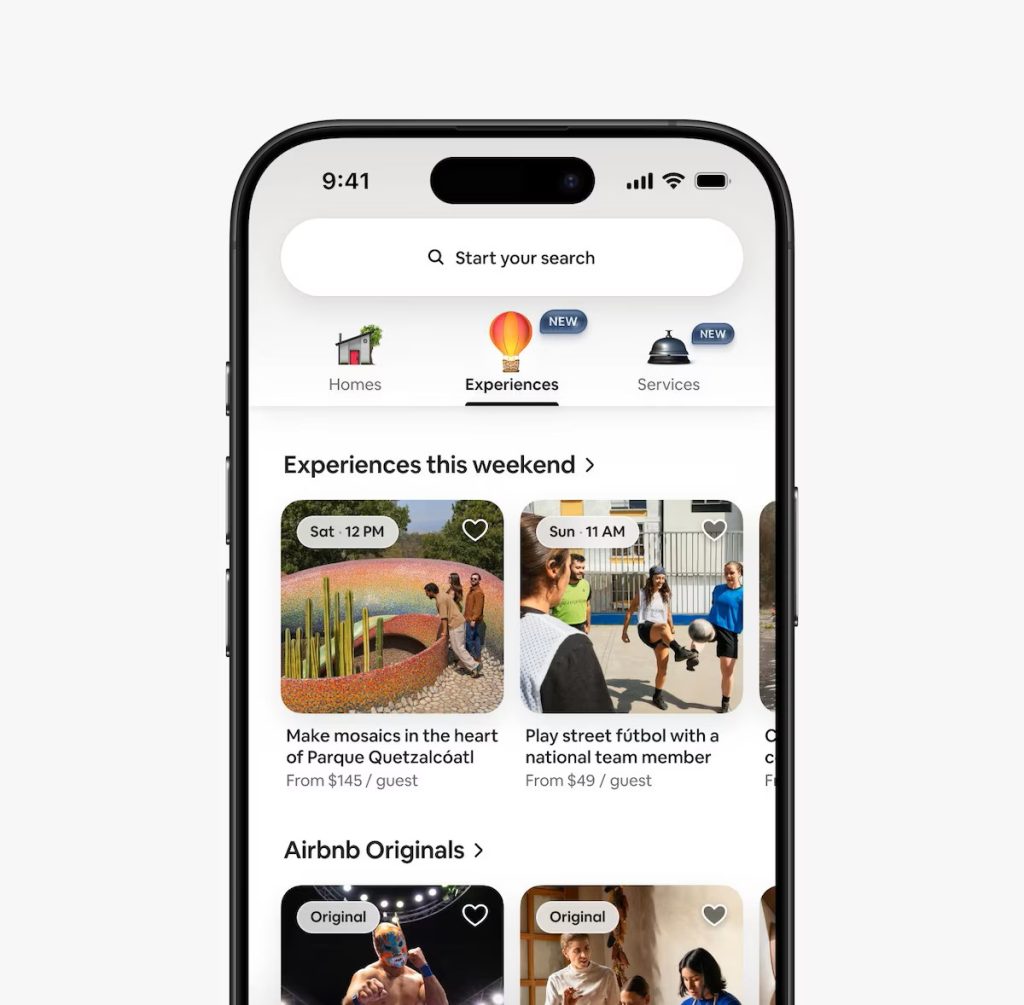
แพลตฟอร์ม Airbnb Experiences ที่มุ่งเน้นการสร้างประสบการณ์ในพื้นที่อันเป็นจุดหมายปลายทาง เช่น การจัดทัวร์ คลาสเรียนทำอาหาร หรือโปรแกรมการท่องเที่ยว Courtesy
อีกมุมหนึ่งของภาพทัศน์ใหม่นี้ยังมีแพลตฟอร์มอย่าง Beens ซึ่งคุณค่าหลักของโปรดักต์ไม่ได้อยู่ที่บริการ แต่เป็นการมีตัวตนของผู้ใช้ในโลกจริง ได้แก่ เวลา บุคลิกภาพและทักษะทางสังคม แทนที่จะแค่จ้างคนมาเปลี่ยนหลอดไฟให้ ยูเซอร์สามารถสร้าง Plans และเข้าร่วมได้ ซึ่งก็คือการรวมกลุ่มเล็กๆ ของคนในพื้นที่จริง โดยมีความสนใจร่วมกัน มีตั้งแต่ชั้นเรียนเทนนิสระดับก้าวหน้า การรวมกลุ่มสนทนายามค่ำเรื่องหนัง การเดินพร้อมฟังเพลย์ลิสต์เฉพาะทาง หรือการโคเวิร์กที่ไม่กดดัน
กล่าวคือ เราหันมาให้ความสำคัญกับ การทำอะไรกับใคร มากกว่าสิ่งที่เราทำเพียงอย่างเดียว ยกตัวอย่างเช่น Airbnb Experiences จะถามว่า “คุณอยากจะทำอะไรในกรุงเทพฯ” แต่ Beens จะถามอย่างตรงประเด็นยิ่งกว่าว่า “จริงๆ แล้วอยากมาเห็นกรุงเทพฯ กับใคร” คือจะไปทริปนั่งตุ๊กตุ๊กกับใครก็ไม่รู้ หรืออยากไปกับคนที่คัดแล้วว่าคิดอะไรทันกัน มีเรื่องราวและความสนใจที่สอดคล้องกันกับเรา โมเดลนี้จะทำให้พื้นที่ที่เราไปกลายเป็นฉากหลัง ความสำคัญอยู่ที่ตัวบุคคลมากกว่า
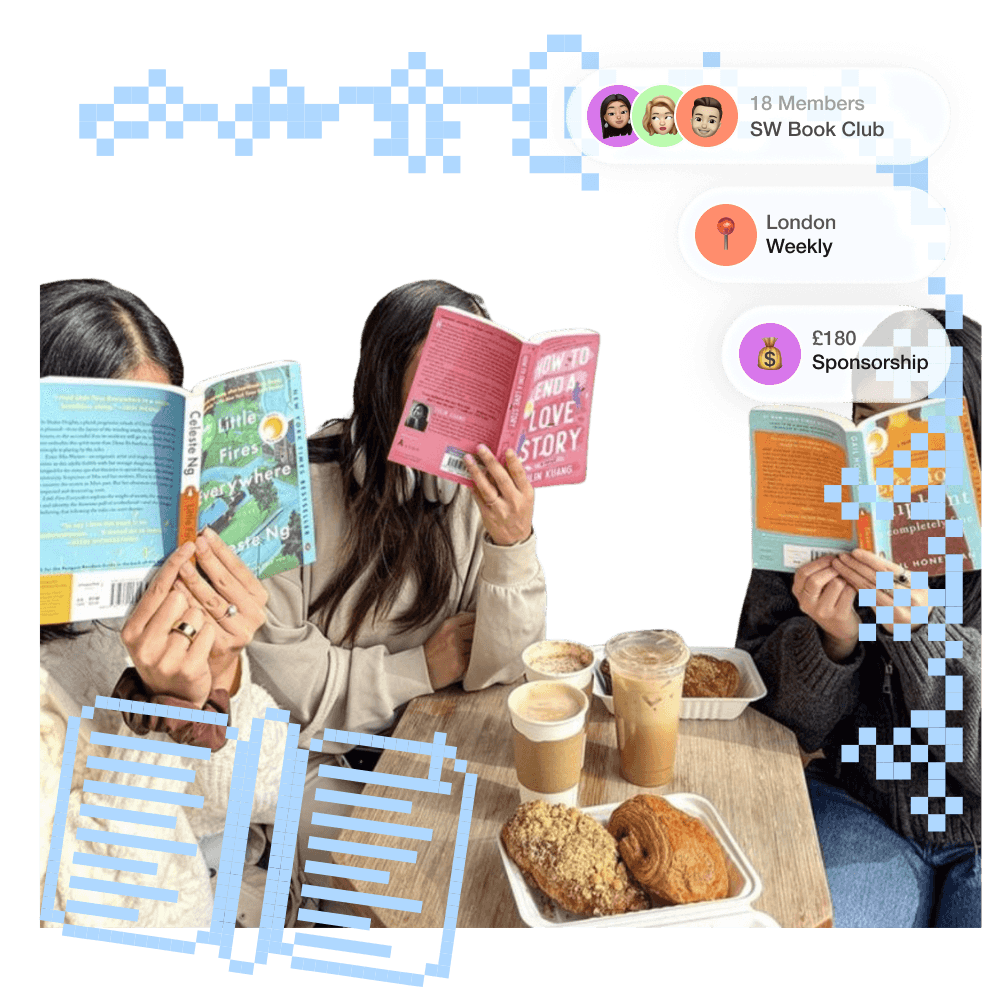
Book Club ในแพลตฟอร์ม Beans Courtesy
Beens พยามเลี่ยงไม่ไปอยู่ในกลุ่ม “งานจิปาถะ” นี่ไม่ใช่แอพที่เราเอาไว้จ้างคนมาเปลี่ยนหลอดไฟให้ แต่เป็นแอพที่ช่วยให้เราทำสิ่งที่มีความหมายพร้อมกับได้หลอดไฟก็ใช้งานได้ อาทิ เราจะลงลึกในเรื่องงานอดิเรก เรียนรู้จากคนที่ผ่านประสบการณ์มามากกว่า หรือสอนเรื่องที่เรามีความรู้ จุดประสงค์ไม่ได้อยู่ที่การมาเที่ยวเล่นแล้วได้ค่าจ้าง แต่อยู่ที่การสร้างความก้าวหน้าให้ชีวิตโดยมีคนอยู่เคียงข้าง กล่าวคือการใช้เวลากับผู้อื่นเพื่อเพิ่มทักษะ ความมั่นใจ และได้มีชุมชน
จากระบบเศรษฐกิจระยะสั้นสู่ “ระบบเศรษฐกิจที่สร้างรายได้จากเวลา”
Beens บอกว่าโมเดลนี้คือขั้นตอนแรกๆ ของการก้าวไปสู่ “ระบบเศรษฐกิจที่สร้างมูลค่าผ่านการมีตัวตนในโลกจริง (Presence Economy)” หรือ “Time Economy” ซึ่งตั้งใจสร้างโครงสร้างของช่วงเวลาที่มีเป้าหมายกับบุคคลอื่น โดยจัดให้เป็นชั้นของรายได้ที่ชอบด้วยกฎหมาย ไม่ใช่สิ่งที่เป็นลักชัวรี แพลตฟอร์มนี้ออกแบบไว้เพื่อให้บริการต่างๆ ดังนี้
เป็นแหล่งรายได้เสริมที่มีความยืดหยุ่น เป็นรายได้จากการมีตัวตนในโลกจริง หรือ Presence และไม่ใช่งานประจำ
เป็นมาร์เก็ตเพลสสำหรับทักษะทางสังคมและบุคลิกภาพ ได้แก่ ความอบอุ่น อารมณ์ขัน ความฉลาดทางอารมณ์และบรรยากาศ สิ่งซึ่งยังขาดในเรซูเม่แบบเก่า
เป็นทางเลือกแทนระบบคัดกรองแบบดั้งเดิมที่อิงคุณสมบัติพื้นฐาน โดยเปิดโอกาสให้ผู้ที่ไม่ได้มีภูมิหลังตามเกณฑ์ทั่วไป สามารถสร้างรายได้ผ่านการเป็นโฮสต์บนแพลตฟอร์ม
เป็นระบบที่ออกแบบมาเพื่อกลุ่มขนาดเล็ก เน้นการมีส่วนร่วมแบบออฟไลน์ที่เชื่อถือได้ เปิดโอกาสให้ผู้ใช้ได้พบคนที่มีนิสัยและความสนใจสอดคล้องกัน และสามารถสร้างความสัมพันธ์ต่อเนื่อง มากกว่าการมุ่งเน้นจำนวนผู้ติดตาม
ท่ามกลางโลกที่ AI เร่งการผลิต และแพลตฟอร์มต่างแข่งขันกันเพื่อช่วงชิงความสนใจ Beens และโปรดักต์ในกลุ่มเดียวกันตั้งคำถามเรียบง่ายแต่ชวนคิดว่า หากตลาดแรงงานที่มีความหมายในอนาคตไม่ได้วัดจากสิ่งที่คุณผลิต แต่จากวิธีที่คุณ “ปรากฏตัว” และ “คุณเลือกใช้เวลาอยู่กับใคร” จะเป็นอย่างไร
(English ver.)
Bangkok, Thailand — Around the world, two crises are unfolding in parallel: work is being automated faster than people can adapt, and loneliness is reaching record levels. Beens, a new presence-based social platform, is launching on the belief that these challenges are linked — and that human connection is becoming economically scarce, and therefore more valuable.
A decade of work without guarantees
The International Labour Organization estimates that more than 200 million people worldwide remain unemployed, with young people and informal workers hit hardest. Nearly 40% of jobs globally are now considered exposed to AI-driven disruption, rising to about 60% in advanced economies, meaning a significant share of today’s workforce will see tasks automated, redefined, or removed altogether.
The pressures are uneven. In China, youth unemployment has remained stubbornly high despite statistical changes, with rates in the mid‑teens and earlier peaks above 20% prompting a temporary suspension of age‑specific reporting. In the United States, analysts warn that up to one in two white‑collar jobs could be affected by AI over the next five years, even as headlines ask why “even Harvard’s smartest graduates can’t get a job now.” Thailand’s official unemployment sits around 1–2%, but masks widespread underemployment and reliance on informal and tourism‑linked work that can disappear overnight.
Across these markets, workers are pushed toward side gigs and short-term contracts. Recent surveys show that well over half of workers expect to rely on gig jobs before ever finding long‑term stability. Some new AI‑adjacent roles are emerging, but they tend to reward narrow technical skills, widening the gap between those who can work with AI and those whose jobs are simply replaced.
A loneliness epidemic in a hyper-connected world
At the same time, health authorities now treat loneliness as a serious public health issue, linking chronic social isolation to worse physical and mental outcomes. Younger generations report having fewer close friends, less in‑person time, and more difficulty building community, even as they spend more hours than ever online.
Traditional social networks and dating apps have delivered scale, but not necessarily depth: feeds and swipes optimize for content and quick impressions, not the slower work of building trust. Many people now find themselves surrounded by digital noise yet struggling to find a small circle for shared hobbies, thoughtful conversation, or simply low‑pressure company.
Human skills in an automated era
The implication is clear: as machines scale output, what remains scarce — and defensible — are soft skills and live interpersonal presence.
Inside the AI labs, some of the most influential builders are quietly making a similar point. Anthropic cofounder and president Daniela Amodei has argued that as AI advances, “the things that make us human will become much more important instead of much less important,” stressing that her company actively hires for great communicators with high emotional intelligence who are kind, curious, and motivated to help others. Her cofounder and CEO Dario Amodei has warned that AI systems may eventually “do everything that humans can,” describing the coming years as “exceedingly challenging” and urging people to learn to use AI so they are not blindsided by the transition.
Daniela Amodei (Co-Founder & President of Anthropic)
Dario Amodei (Co-Founder & CEO of Anthropic)
The emergence of “presence platforms”
In response, a new generation of products is experimenting with ways to turn social time into structured, compensated experiences. Some platforms, like Airbnb Experiences or Klook, focus on destination‑based activities: the tour, class, or itinerary is the product, and the host is secondary. Others in markets like China have created marketplaces for odd jobs and errands, letting users pay someone to change a lightbulb, stand in line for a product drop, or handle a chore they would rather avoid.
Airbnb Experiences platform which focuses on destination‑based activities like tour, class, etc. Courtesy
Beens sits in a different corner of this emerging landscape. Rather than paying people to complete tasks, it treats presence itself — time, personality, and social skills — as the core unit of value. Users create and join “Plans”: small, in‑person gatherings built around shared interests, from advanced tennis sessions and film analysis nights to journaling circles, niche music walks, or low‑pressure co‑working.
The emphasis is less on what you do and more on who you do it with. Where Airbnb Experiences asks, “What do you want to do in Bangkok?”, Beens effectively asks, “Who do you really want to see Bangkok with?” Would you rather take a tuk‑tuk trip with a random stranger, or with someone you’ve been smart‑matched to, whose story and interests resonate with your own? In this model, the city or venue is the backdrop; the main event is the person.
The Plan, book club, in Beans platform. Courtesy
Beens also deliberately avoids the “odd‑job” niche. It is not the app where you pay someone to fix your lightbulb; it is the app where you do something meaningful while your lightbulb is being fixed — deepening a hobby, learning from someone more experienced, or teaching what you know. The focus is not paid hanging‑out, but companionable progression: using time with others to grow skills, confidence, and community.
From gig economy to “time economy”
Beens describes this model as an early step toward a “Presence Economy” or “time economy”, in which structured, intentional time with other people is treated as a legitimate income layer rather than a luxury. In practice, the platform is designed to provide:
A flexible supplemental income stream built on presence, not formal employment.
A marketplace for soft skills and personality — warmth, humor, emotional intelligence, and vibe — which traditional résumés rarely capture.
An alternative to credential‑driven gatekeeping, allowing people without conventional backgrounds to earn through hosted Plans.
A system optimized for small-group, offline engagement that rewards reliability, chemistry, and repeat connections rather than follower counts.
In a world where AI accelerates output and platforms compete for attention, the question Beens and similar products pose is simple: what if the next meaningful job market isn’t about what you produce, but how you show up — and who you are with.